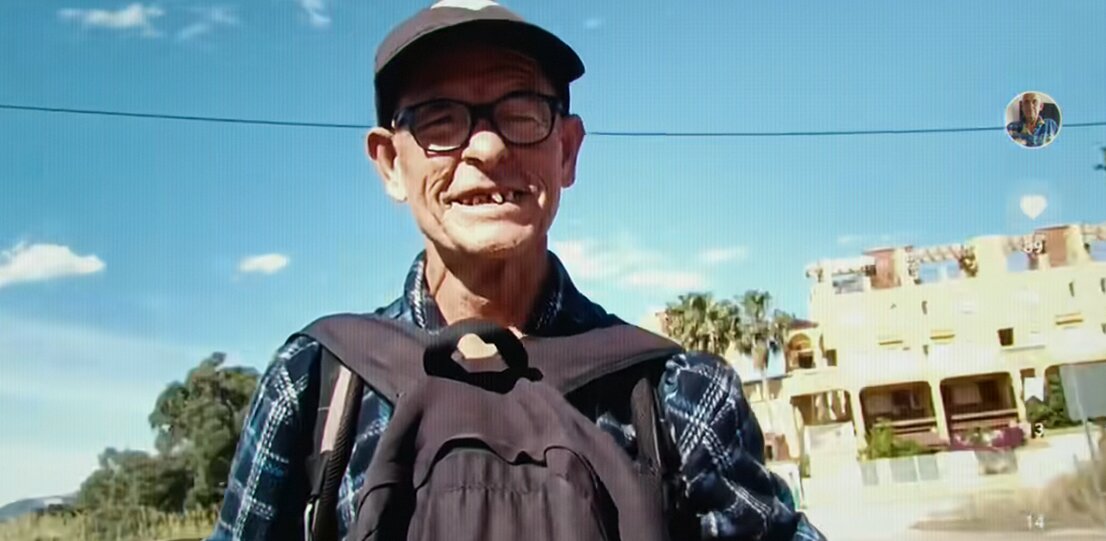
Netflix's 'TikTok Killer': Unmasking José Jurado Montilla's Past
The digital age has brought forth a perplexing paradox: the rise of social media stars, some of whom harbor secrets far darker than their curated online personas suggest. Few cases exemplify this chilling phenomenon as starkly as that of
José Jurado Montilla. Once a seemingly innocuous TikTok creator sharing travel vlogs and philosophical musings, Montilla has now become the subject of intense scrutiny and a forthcoming Netflix documentary, earning him the ominous moniker 'The TikTok Killer'. His story intertwines a violent past, a period of unexpected freedom, and new allegations that have once again thrust him into the public eye, forcing us to question the narratives we consume online.
The Shadow of a Violent Past: 1987 Convictions Resurface
Before his digital reinvention, José Jurado Montilla was a name synonymous with brutal crimes in Spain. His early life remains largely shrouded in mystery, but his violent history first came to light in the mid-1980s. Living in Puerto de la Torre, Málaga, Montilla’s name became linked to a series of gruesome discoveries.
In November 1985, the body of Francisco González was found, shot to death and covered with sacks. The investigation continued, and by March 1987, authorities uncovered the scorched remains of Antonio Paniagua, a 46-year-old former chauffeur for the renowned singer Juanito Valderrama, in a rural house in Campanillas. Adding to the horror, earlier that year, police had also discovered the bodies of two tourists, Peter Glenn from Britain and Klaus Schmucker from Germany, near the popular Caminito del Rey trail. These discoveries sent shockwaves through the region, revealing a disturbing pattern of violence.
On May 4, 1987, Montilla was arrested in connection with these four homicides. During questioning, he admitted to shooting González, claiming self-defense after an alleged scuffle. However, he vehemently denied involvement in the other three killings, asserting he had been framed. Despite his pleas of innocence in those cases, the court ultimately found him guilty, sentencing him to a staggering 123 years in prison. Known by local aliases such as "El Titi" and later "Dinamita Montilla," his reputation as a ruthless killer was firmly established.
Years later, a legal development in Spain—the "Parot doctrine," introduced in 2006—significantly altered how sentence reductions were applied for serious crimes. This doctrine, designed to keep dangerous criminals incarcerated longer, ironically played a role in Montilla's eventual release. In a turn of events that would baffle many, José Jurado Montilla walked free in 2013, after serving a portion of his lengthy sentence. For more details on his legal journey, you can read
José Jurado Montilla: From 1987 Convictions to 2024 Arrest.
From Prison to Online Popularity: The Jose Jurado Montilla Tiktok Phenomenon
After regaining his freedom, José Jurado Montilla reportedly moved frequently, slowly beginning to cultivate an unexpected online presence. He found an audience on TikTok, a platform where his videos showcased him traveling through scenic wilderness areas, interacting with local communities, and sharing what appeared to be profound reflections on life, morality, and personal values. Many followers were drawn to his seemingly thoughtful demeanor and his reflective style, unaware of the dark history lurking beneath the surface.
What made his online persona particularly chilling was his recurring theme: he frequently spoke about the crimes he had been convicted of, consistently maintaining his innocence. In a macabre twist, Montilla often visited the very locations where his past crimes had occurred, filming himself camping or simply spending time in these haunting areas. His videos cultivated an image of a man wronged by the justice system, seeking solace and understanding in nature and among his online community. This bizarre and unsettling aspect of his digital life is explored further in
José Jurado Montilla's TikTok: The Chilling Truth Behind His Videos. The ease with which he built a following, despite his past, highlights the complex nature of online perception and the parasocial relationships that can form between creators and their audience.
The Unfolding Mystery: New Allegations and the Netflix Spotlight
The carefully constructed online facade of
José Jurado Montilla Tiktok began to crumble when suspicion around his current activities intensified. In August 2023, 42-year-old Esther Estepa disappeared. She had been photographed with Montilla just two days prior, leading her family to believe he was the last person to see her alive. Montilla initially posted emotional TikTok videos about Esther's disappearance, portraying himself as a heartbroken friend genuinely trying to aid in her search. Thousands of his followers rallied behind him, captivated by his apparent distress.
However, a new twist emerged in May 2024 when Montilla was accused of involvement in another murder case from 2022. This time, the victim was a young man named David. David had allegedly told his family about meeting a "strange older man" the day before his disappearance. Investigators later reported that DNA evidence, recovered from the zipper of David’s bag, helped narrow down the suspect pool, pointing towards Montilla. This development significantly heightened public and law enforcement scrutiny.
The mounting allegations, coupled with his shocking past, catapulted José Jurado Montilla's story into the international spotlight. Netflix quickly recognized the compelling, albeit disturbing, narrative and began production on 'The TikTok Killer,' a documentary set to explore his life, the grave accusations he has faced over decades, and the growing focus on his potential role in Esther Estepa’s and David’s cases. The title itself, 'The TikTok Killer,' perfectly encapsulates the terrifying fusion of a modern platform and a timeless evil.
The Digital Age Dilemma: Lessons from the Jose Jurado Montilla Tiktok Saga
The case of José Jurado Montilla serves as a potent, unsettling reminder of the dangers lurking in the digital landscape. It forces us to confront uncomfortable questions about online personas, the nature of charisma, and our susceptibility to curated narratives.
Practical Takeaways and Tips for Online Safety:
- Critical Evaluation of Online Content: Always question the sincerity of online personalities, especially those who share deeply personal or emotionally charged content. A compelling story can sometimes mask darker intentions.
- Understanding Parasocial Relationships: Be aware of how easily parasocial relationships (one-sided relationships where one person expends emotional energy on another without reciprocation) can form online. These can make individuals vulnerable to manipulation.
- Verify Information: If an online figure discusses their past, especially controversial events, exercise due diligence. A quick search can often reveal significant details that contradict their presented narrative.
- Recognize Red Flags: Be wary of individuals who constantly play the victim, shift blame, or exhibit an excessive preoccupation with past traumas without genuine signs of rehabilitation or remorse. Montilla's insistence on innocence while visiting crime scenes is a stark example of a red flag.
- Prioritize Personal Safety: Never arrange to meet an online contact in person without taking precautions, such as informing friends or family of your whereabouts, meeting in a public place, and sharing details about the person you are meeting.
The terrifying journey of José Jurado Montilla, from a convicted serial killer to a reflective TikTok vlogger, and now once again a prime suspect, underscores the profound impact of social media on our perception of reality. As 'The TikTok Killer' brings his story to a global audience, it serves as a chilling testament to how easily a carefully constructed digital facade can obscure a deeply disturbing truth. The case remains ongoing, but the questions it raises about trust, identity, and the shadows lurking behind our screens will resonate long after the final verdict.