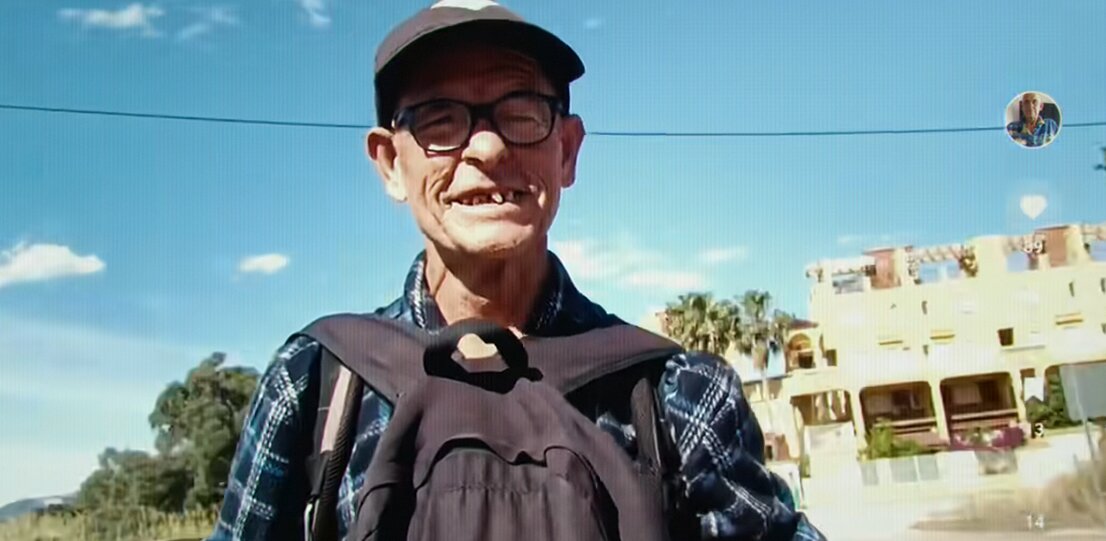
José Jurado Montilla: The Unsettling Journey from 1987 Convictions to 2024 Arrest
The digital age has brought forth countless narratives, but few are as chilling and complex as that of José Jurado Montilla. Once a seemingly benevolent figure on TikTok, captivating thousands with his philosophical musings and travel vlogs, Montilla's carefully constructed online persona crumbled dramatically in 2024. His arrest linked him not only to recent mysterious deaths but also resurrected a dark past involving multiple homicide convictions from 1987. The saga of **Jose Jurado Montilla Tiktok** fame turning into a deeper investigation serves as a stark reminder of the deceptive power of online appearances and the persistent shadow of unresolved history.
Montilla's story is a tapestry woven with old crimes, a controversial legal doctrine, and the modern phenomenon of social media celebrity. His transformation from a convicted murderer to a seemingly reformed internet personality, only to face renewed scrutiny and arrest, has captivated global attention, largely amplified by true-crime documentaries.
The Shadow of 1987: Unveiling a Brutal Past
Decades before he became a familiar face on social media, José Jurado Montilla was a name synonymous with brutal crime in Spain. His violent past first came to light in the mid-1980s when a series of horrific discoveries rocked the Málaga province. In November 1985, the body of Francisco González was found, killed by a shotgun. The brutality continued into 1987, with the discovery of Antonio Paniagua, a 46-year-old former chauffeur for famed singer Juanito Valderrama, whose remains were found in a rural house in Campanillas. Adding to the grim tally, the bodies of two tourists – Britain's Peter Glenn and Germany's Klaus Schmucker – were also unearthed near the popular Caminito del Rey trail. These victims, one shot, another scorched, and two others found under suspicious circumstances, painted a picture of a remorseless killer.
Montilla was arrested on May 4, 1987, in connection with these four homicides. During questioning, he admitted to shooting González, claiming self-defense after an alleged scuffle. However, he vehemently denied involvement in the other three killings, insisting he had been framed. Despite his protests, the evidence presented in court was compelling, leading to his conviction for all four murders. The severity of his crimes was reflected in his sentence: a staggering 123 years in prison. The justice system had locked away what many believed to be a dangerous individual, or as some media outlets later dubbed him, "El Titi" and "Dinamita Montilla" – names that would resurface in the context of his digital life.
The Parot Doctrine and a Controversial Release in 2013
For decades, it seemed Montilla would spend the remainder of his life behind bars. However, a significant legal development in Spain changed his fate. In 2006, the "Parot doctrine" was introduced. This legal principle aimed to prevent convicted criminals, especially those with multiple severe sentences, from benefiting from sentence reductions based on cumulative time served. Instead, it stipulated that reductions for good behavior or work in prison should be applied to each individual sentence, effectively extending their time in jail.
Despite its intention, the Parot doctrine became a subject of intense debate and legal challenge. Critics argued it was applied retroactively and violated human rights by essentially overriding the initial judicial sentences. In 2013, the European Court of Human Rights ruled against the Parot doctrine, leading to the release of numerous prisoners, including José Jurado Montilla. After serving 26 years of his 123-year sentence, Montilla walked free, sparking outrage and concern among victims' families and the public. His release underscored a complex ethical dilemma within the justice system: balancing the rehabilitation of offenders with the protection of society and the pursuit of justice for victims.
The Rise of Jose Jurado Montilla on TikTok: A Persona of Paradox
Upon his release, Montilla reportedly drifted, moving between various locations before finding an unlikely platform for self-expression: TikTok. His new life took a starkly different trajectory from his past. On the popular social media platform, **Jose Jurado Montilla Tiktok** videos began to gain traction, portraying him as a reflective, wilderness-loving individual, sharing musings on life, morality, and personal values. His videos often showed him traveling through natural landscapes, interacting with strangers, and offering what appeared to be profound insights. He carefully cultivated an image of a man who had overcome adversity, presenting himself as a changed individual, maintaining his innocence regarding the 1987 murders whenever they were obliquely referenced.
Many of his thousands of followers found his content inspiring, drawn to his seemingly wise and empathetic persona. What few realized, or chose to ignore, was the dark undercurrent of his past. The chilling irony was that Montilla often filmed himself camping or staying in the very areas where his past crimes had taken place, a macabre reenactment hidden in plain sight. This online facade allowed him to reintegrate into society, albeit digitally, and build a new identity, obscuring the grim realities of his past. The phenomenon of
José Jurado Montilla's TikTok: The Chilling Truth Behind His Videos highlights the ease with which individuals can craft deceptive online identities, making it crucial for users to critically evaluate the content they consume.
The Unraveling: Esther Estepa, David's Murder, and the 2024 Arrest
The carefully constructed world of **Jose Jurado Montilla Tiktok** began to crumble in 2023. Public attention intensified when Montilla started posting about the disappearance of Esther Estepa in August 2023. In his videos, he appeared emotional, claiming he was simply trying to help find a friend. However, it was later revealed that Estepa had been photographed with Montilla just two days before she went missing, leading her family to believe he was the last person to see her alive. His attempts to frame himself as a concerned helper now appeared deeply suspicious.
The true breaking point came in May 2024. Montilla was arrested in connection with the 2022 murder of a man named David. David had reportedly told his family he met a strange older man the day before his disappearance. Investigators later alleged that DNA evidence recovered from the zipper of David’s bag helped narrow down the suspect pool, ultimately leading to Montilla. This renewed police interest and arrest quickly unearthed the horrifying details of his 1987 convictions, shattering his TikTok persona and exposing the serial killer lurking beneath the surface.
The shocking revelations transformed Montilla from an online enigma into a central figure in a high-profile criminal investigation. The global spotlight, intensified by Netflix’s documentary
Netflix's 'TikTok Killer': Unmasking José Jurado Montilla's Past, explored his life, the grave allegations he faced, and the growing scrutiny surrounding his role in Esther Estepa’s case and other potential crimes. His arrest on May 16, 2024, signaled the end of his freedom and the beginning of a new chapter in his grim history.
Lessons from Montilla's Case: Navigating Online Deception and Justice
The case of José Jurado Montilla offers several profound lessons. Firstly, it underscores the importance of critical media literacy. In the age of social media, anyone can curate an image that is far removed from reality. Montilla’s ability to garner thousands of followers despite a history of heinous crimes serves as a stark warning about taking online personas at face value. It's crucial for users to verify information, research backgrounds, and remain skeptical, especially when individuals present overly idealized or emotionally manipulative narratives.
Secondly, the case highlights the complex interplay between justice, rehabilitation, and public safety. The controversy surrounding the Parot doctrine and Montilla's subsequent release prompts critical questions about sentencing guidelines, early release mechanisms, and the enduring impact of crime on victims and society. It reminds us that justice is not always linear and can be subject to evolving legal interpretations.
Finally, Montilla’s story serves as a testament to the persistence of truth. Despite decades passing and a new identity being forged online, the past eventually caught up. Modern forensic techniques, coupled with renewed investigative focus, brought his alleged actions back into the light. This narrative reinforces the idea that serious crimes rarely remain buried indefinitely, and justice, however delayed, often finds its way.
In conclusion, José Jurado Montilla's journey from a convicted multiple murderer in 1987, through a controversial release in 2013, to becoming a philosophical TikTok personality, and finally, his re-arrest in 2024, is a deeply unsettling modern saga. It forces us to confront uncomfortable truths about human nature, the fallibility of legal systems, and the pervasive, often deceptive, influence of social media. The "TikTok Killer" will forever be a cautionary tale of appearances vs. reality, and the enduring shadow of a criminal past.